
Introduction:
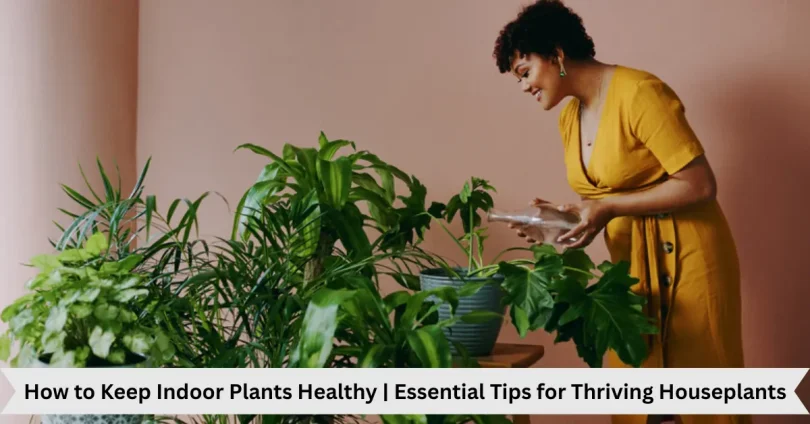
If you love the idea of filling your home with greenery but struggle to keep your plants alive, you’re not alone! Taking care of houseplants can seem tricky at first, but with the right tips and a little attention, anyone can become a successful plant parent. In this blog post, we’ll walk you through how to keep indoor plants healthy | essential tips for thriving houseplants that are perfect for beginners and experienced plant lovers alike. Whether you have one small succulent or a whole indoor jungle, these simple tips will help your plants grow strong, happy, and beautiful all year round.
What Is “How to Keep Indoor Plants Healthy”?
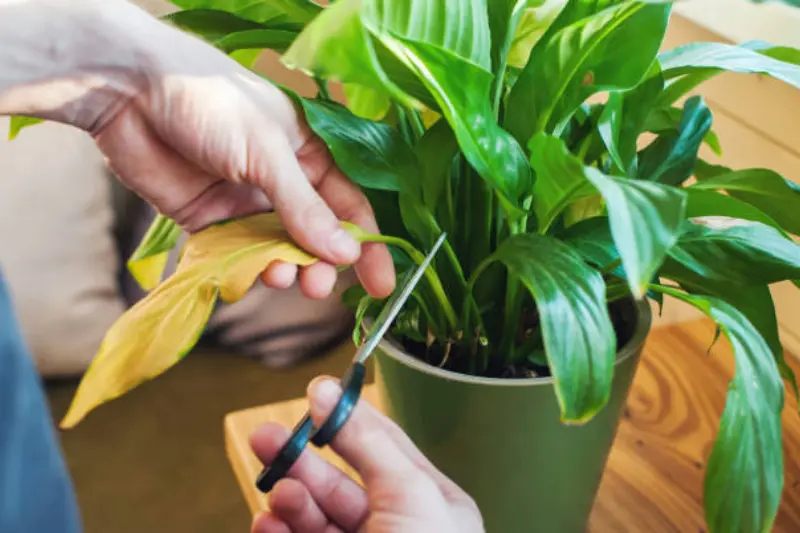
“How to Keep Indoor Plants Healthy” simply means taking the right steps to make sure your houseplants grow well, stay green, and don’t get sick or die. Healthy indoor plants need proper care — like the right amount of sunlight, water, good soil, and a clean environment. It’s about understanding what your plants need and giving them regular attention so they can thrive inside your home.
Keeping indoor plants healthy isn’t just about watering them now and then. It also involves checking for pests, making sure they have enough light, choosing the right pots, and sometimes even giving them plant food (fertilizer). When you follow the essential tips for thriving houseplants, your plants will reward you with lush leaves, fresh air, and a calming atmosphere in your home.
Why Is It Important to Keep Indoor Plants Healthy?
Keeping your indoor plants healthy supports not just their growth, but also improves your living environment, mental well-being, and even saves money. Here’s how:
Healthy Plants Improve Air Quality
- They filter indoor toxins: Healthy plants naturally absorb harmful chemicals like formaldehyde and benzene from the air.
This helps create a cleaner, safer environment inside your home. - They boost oxygen levels: Through photosynthesis, plants release fresh oxygen into your space.
More oxygen indoors can lead to better breathing and overall wellness.
They Boost Mental Health and Mood
- Plants reduce stress and anxiety: The presence of greenery has been shown to lower stress hormones.
Caring for plants also offers a calming, mindful daily routine. - They improve focus and productivity: Studies show people working near plants tend to concentrate better.
A healthy indoor plant setup can help sharpen focus and spark creativity.
They Enhance Home Décor and Comfort
- Healthy plants brighten up your space: Vibrant plants add color and life to dull corners or empty areas.
Their presence can instantly make your home feel more lively and inviting. - They create a natural vibe indoors: Plants introduce natural beauty and texture to your interior design.
This creates a peaceful, relaxing atmosphere that feels closer to nature.
They Help You Save Money Over Time
- You won’t need to keep replacing plants: When plants are healthy, they last longer and stay attractive.
This reduces the need to keep buying replacements or new pots frequently. - Healthy plants live longer and grow better: With proper care, plants continue to thrive and may even multiply.
You get long-term value from just a small investment in time and care.
Step-by-Step Guide: How to Keep Indoor Plants Healthy
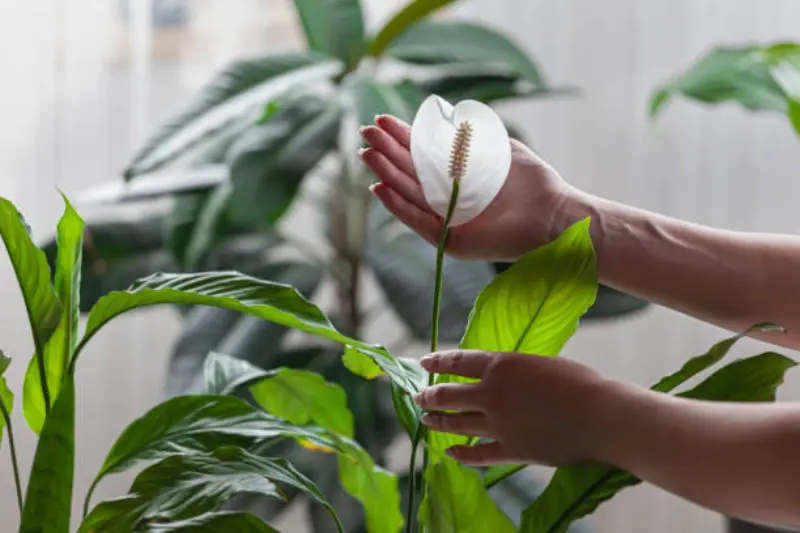
Keeping indoor plants healthy doesn’t have to be complicated. By following these simple steps, you’ll give your houseplants the best chance to grow, thrive, and stay beautiful all year round.
Step 1: Choose the Right Plant for Your Space
- Pick plants that match the light, humidity, and temperature of your home.
- For example, low-light plants like snake plants or pothos do well in dim areas.
Step 2: Use the Right Amount of Light
- Place your plant where it gets the right type of light—bright, indirect, or low light.
- Rotate the plant every few weeks so all sides get equal exposure.
Step 4: Water Only When Needed
- Check the top inch of soil with your finger before watering.
- Water deeply, but let the soil dry out between waterings to avoid root rot.
Step 5: Keep Humidity and Temperature Stable
- Most indoor plants prefer 40–60% humidity and room temperatures between 18°C and 24°C.
- Use a humidifier in dry seasons or mist the leaves of humidity-loving plants.
Step 6: Clean the Leaves Regularly
- Dust buildup on leaves blocks sunlight and attracts pests.
- Gently wipe the leaves with a damp cloth every 1–2 weeks to keep them clean and healthy.
Step 7: Fertilize During the Growing Season
- Feed your plant with a balanced liquid fertilizer once a month during spring and summer.
- Avoid fertilizing in winter when most indoor plants are dormant.
Step 8: Watch for Pests and Diseases
- Check your plants weekly for signs of pests like gnats, mites, or mold.
- Use natural remedies like neem oil or insecticidal soap if needed.
Step 9: Repot When Necessary
- Repot your plant every 12–18 months or when you see roots growing out of the pot.
- Use fresh soil and a slightly larger pot to encourage continued growth.
Step 10: Give Your Plants Attention and Care
- Spend a few minutes each week observing your plants’ color, shape, and soil.
- A little regular care goes a long way in keeping your indoor garden thriving.
Advantages and Disadvantages of Keeping Indoor Plants Healthy
| Advantages | Disadvantages |
| Encourages a Mindful Routine Caring for indoor plants helps you slow down and be present, promoting mindfulness and daily connection with nature—even indoors.. | Time and Effort Required Proper plant care involves regular watering, cleaning, and monitoring — which can be time-consuming, especially with many plants. |
| Boosts Mental Well-being Caring for plants can reduce stress, increase happiness, and provide a sense of calm and relaxation. | Risk of Over- or Under-Care It’s easy to make mistakes like overwatering, using the wrong soil, or placing plants in poor lighting, which can lead to plant stress or death. |
| Enhances Interior Décor Lush, thriving plants add beauty and life to your home, making it feel more inviting and naturally stylish. | Potential for Pests and Mold If not properly managed, indoor plants can attract pests like fungus gnats or develop mold in overly moist environments. |
| Promotes a Healthier Environment Plants increase humidity, reduce dust, and may help lower noise levels, creating a more comfortable indoor space. | Costs for Tools and Supplies Maintaining healthy plants may require extra items like fertilizers, humidifiers, grow lights, or pest control products. |
| Long-Term Savings When plants are healthy, they live longer and grow better, reducing the need to replace them often and saving money over time. | Space Limitations Not all homes have the ideal space or lighting for indoor plants, which may limit your ability to grow certain types successfully. |
Common FAQs: How to Keep Indoor Plants Healthy
How often should I water my indoor plants?
It depends on the plant and the season. Most plants like to be watered when the top inch of soil feels dry. Always check the soil before watering.
What’s the best spot to place my indoor plants?
Most plants prefer bright, indirect light near a window. Some can handle low light, but very few do well in dark corners.
Why are the leaves turning yellow?
Yellow leaves can mean overwatering, poor drainage, or not enough light. Check the soil and move your plant to a brighter spot if needed.
Do indoor plants really clean the air?
Yes, many indoor plants help filter out toxins and add oxygen. While they don’t replace an air purifier, they do make your air cleaner and fresher.
How do I know if my plant needs repotting?
If you see roots growing out of the drainage holes or the plant looks crowded, it’s time to repot. Usually, once every 12–18 months is a good rule.
Can I use tap water for my plants?
Most plants are okay with tap water, but some are sensitive to chemicals like chlorine. Let the water sit out overnight or use filtered water if possible.
What’s the easiest indoor plant to take care of?
Some great beginner plants include pothos, snake plant, ZZ plant, and peace lily. They don’t need much attention and are very forgiving.
Why is my plant not growing?
Lack of light, poor soil, or not enough nutrients could be the reason. Try moving it to a brighter spot and feeding it with plant food in the growing season.
How do I get rid of tiny bugs in the soil?
These are likely fungus gnats. Let the soil dry out a bit and use sticky traps or a neem oil spray to control them
Do I need to fertilize my houseplants?
Yes, especially during spring and summer when they grow the most. Use a balanced liquid fertilizer once a month and skip it in winter.
Conclusion
Keeping indoor plants healthy doesn’t have to be hard. With the right light, proper watering, and a little attention, your plants can grow strong and beautiful. Just start with a few simple habits, and over time, you’ll build the confidence to care for any houseplant. Happy growing.
Bonus Tips for Thriving Indoor Plants
- Rotate your plants regularly
Turning your plants every few weeks helps all sides get equal light. This prevents them from leaning or growing unevenly. - Group plants with similar needs
Keeping plants with similar water and light needs together makes care easier. It helps you avoid over- or under-watering different types. - Use rainwater or filtered water
Rainwater is free of chemicals like chlorine that can harm sensitive plants. Using filtered water keeps soil healthier and roots happier. - Add pebbles to trays for humidity
Place pots on a tray with water and pebbles to gently raise humidity. This keeps moisture around the plant without causing root rot. - Wipe leaves to keep them dust-free
Dust blocks sunlight and reduces photosynthesis. Clean leaves gently every couple of weeks to help your plant breathe and grow better. - Use a moisture meter
A moisture meter helps you check soil moisture without guessing. This tool prevents both overwatering and underwatering. - Avoid placing plants near AC or heaters
Cold drafts or hot air can stress your plants and dry out their leaves. Keep plants away from vents for stable temperature and humidity. - Label your plants with care instructions
Adding small labels with plant names and care tips helps you remember their needs. It’s especially useful if you have many different plants.