
Introduction:
How to Start a Vegetable Garden at Home – Easy Gardening Tips for Beginners is a perfect topic for anyone who wants to grow their own fresh and healthy food. You don’t need a big backyard or years of experience to get started. With just a little space, some basic tools, and a bit of patience, you can enjoy homegrown vegetables right from your garden or even your balcony. In this guide, we’ll walk you through simple, beginner-friendly tips to help you grow your very first vegetable garden with confidence.
What is “How to Start a Vegetable Garden at Home – Easy Gardening Tips for Beginners?”

“How to Start a Vegetable Garden at Home – Easy Gardening Tips for Beginners” is a beginner’s guide that helps people learn how to grow their own vegetables at home, even if they have little or no gardening experience. It covers the basics—like choosing the right location, picking easy vegetables, preparing the soil, and taking care of your plants. The goal is to make gardening simple, fun, and stress-free for beginners so they can enjoy fresh, healthy produce from their own garden without needing a lot of space or tools.
You May Also Like It:
How to Protect Trees During Storms – Essential Tips for Tree Safety
How to Spot Overwatering vs Underwatering: Key Plant Care Signs
Plant Nutrition & Fertilizer Guide | Essential Tips for Healthy Growth
Why Is It Important to Start a Vegetable Garden at Home?
Growing your own vegetables at home is not just a hobby—it brings real benefits to your health, lifestyle, and the environment. Here’s why starting a home vegetable garden matters:
Promotes Healthy Eating
- Fresh and Organic Produce:
Homegrown vegetables are free from harmful chemicals and taste fresher than store-bought ones. - Better Nutrition:
You get more vitamins and minerals when you eat freshly harvested vegetables from your own garden. - Encourages Healthy Habits:
Gardening makes you more aware of what you eat and helps you include more greens in your meals.
Saves Money on Groceries
- Reduces Grocery Bills:
Once your garden is producing, you spend less on vegetables each week. - Grows in Small Spaces Too:
Even a balcony garden can supply herbs, tomatoes, and greens—cutting your costs. - Reusable Resources:
You can save seeds, use compost, and replant seasonally to keep costs low over time.
Good for Mental and Physical Health
- Reduces Stress:
Gardening is a relaxing activity that helps calm the mind and improve mood. - Physical Activity:
Planting, watering, and harvesting keeps your body active and moving regularly. - Sense of Accomplishment:
Watching your plants grow and enjoying your own harvest gives a deep sense of pride and joy.
Environmentally Friendly
- Reduces Carbon Footprint:
Growing food at home means less transportation, packaging, and pollution from store-bought vegetables. - Less Plastic Waste:
Homegrown veggies don’t come wrapped in plastic, helping reduce household plastic use. - Encourages Eco-Friendly Practices:
You’ll likely start composting, recycling, and using natural pest control methods in your garden.
Educational for All Ages
- Teaches Responsibility:
Caring for plants teaches kids and adults patience, routine, and attention to detail. - Hands-On Learning:
It’s a fun way to learn about plant life cycles, soil, and sustainability through real experience. - Family Bonding Activity:
Gardening is something the whole family can enjoy together while learning valuable life skills.
Boosts Self-Sufficiency
- Grow Your Own Food:
You become less dependent on stores by growing some of your daily vegetables at home. - Preparedness During Crises:
In times of shortage or price hikes, a home garden provides steady food access. - Builds Life Skills:
Knowing how to grow food is a timeless skill that increases your independence and confidence.
Step-by-Step Guide: How to Start a Vegetable Garden at Home – Easy Gardening Tips for Beginners
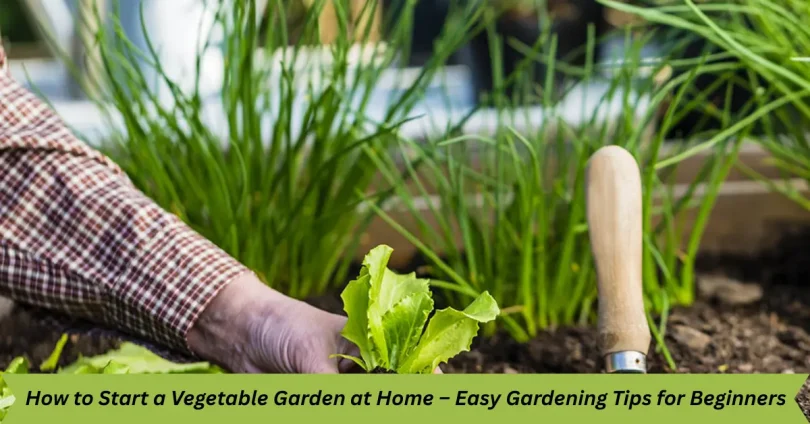
Starting your first vegetable garden can be simple and fun if you follow these basic steps. Let’s walk through it together:
Step 1: Choose the Right Location
- Pick a sunny spot that gets at least 6–8 hours of sunlight daily.
- Good sunlight is essential for vegetables like tomatoes, cucumbers, and peppers to grow well.
Step 2: Decide What You Want to Grow
- Start with easy vegetables like tomatoes, lettuce, spinach, carrots, and herbs.
- Choose veggies your family eats regularly and those suited to your climate and season.
Step 3: Prepare the Soil
- Loosen the soil and mix in compost or organic matter to enrich it.
- Healthy soil provides the nutrients plants need to grow strong and produce well.
Step 4: Use Raised Beds or Containers (Optional)
- If you have limited space or poor soil, raised beds or containers work great.
- They offer better drainage and make it easier to manage your garden in small spaces.
Step 5: Plant Your Seeds or Seedlings
- Follow instructions on seed packets for planting depth and spacing.
- You can also buy small plants from a nursery to save time and get a head start.
Step 6: Water Your Garden Regularly
- Water in the morning and keep the soil evenly moist—not too dry or soggy.
- Young plants need more frequent watering, especially in hot weather.
Step 7: Mulch to Keep Soil Moist
- Add a layer of mulch (like straw or dry leaves) around plants.
- This helps retain moisture, reduce weeds, and protect roots from heat.
Step 8: Watch for Weeds and Pests
- Remove weeds by hand and check plants daily for signs of insects or disease.
- Use natural remedies like neem spray or garlic water to keep pests away safely.
Step 9: Support Climbing Plants
- Install small stakes or trellises for plants like tomatoes, beans, or cucumbers.
- Supporting them keeps the garden tidy and helps increase yield.
Step 10: Harvest When Ready
- Pick vegetables when they’re ripe to enjoy the best flavor and nutrition.
- Frequent harvesting also encourages plants to keep producing more.
Advantages and Disadvantages of Starting a Vegetable Garden at Home
| Advantages | Disadvantages |
| Fresh and Healthy Food You get access to fresh, organic vegetables without harmful chemicals. Homegrown food is tastier and more nutritious than store-bought produce. | Time-Consuming Gardening requires regular attention like watering, weeding, and maintenance. If ignored, plants may wilt or get attacked by pests. |
| Saves Money Once your garden starts producing, you’ll spend less on vegetables at the store. You can also reuse seeds, compost, and tools to keep long-term costs low. | Weather and Seasonal Limits Some vegetables won’t grow well in extreme weather or off-seasons. Unexpected rain or heat can also harm your plants. |
| Stress Relief and Physical Activity Gardening is a relaxing, hands-on activity that helps reduce stress. It also keeps you physically active, promoting a healthier lifestyle. | Pest and Disease Challenges Your garden may attract insects, animals, or plant diseases. You’ll need to monitor and manage problems quickly to save your crops. |
| Eco-Friendly Living Growing your own food reduces plastic waste and carbon emissions. It encourages sustainable habits like composting and natural pest control. | Initial Setup Cost Starting a garden may involve buying tools, soil, seeds, or containers. Although it’s affordable long-term, there may be upfront costs to consider. |
| Fun and Educational for Families Gardening is a great way for kids and adults to learn together. It teaches responsibility, patience, and an appreciation for nature. | Limited Space for Some People If you live in an apartment or have very little outdoor space, options may be limited. Container gardening helps, but yields may be smaller than full ground gardens. |
You May Also Like It:
Common Tree Diseases and Effective Treatment Methods – Tree Care Guide
Best Time to Trim Trees – Seasonal Guide for Healthy Growth
How to Keep Indoor Plants Healthy | Essential Tips for Thriving Houseplants
Frequently Asked Questions (FAQs)
What is the best time to start a vegetable garden at home?
The best time to start is in early spring or after the last frost.
This gives your plants warm weather and plenty of sunlight to grow.
Do I need a big yard to grow vegetables?
No, you can grow vegetables in small spaces like balconies or patios.
Use pots, containers, or raised beds if you don’t have a big garden.
What vegetables are easiest for beginners to grow?
Try growing tomatoes, lettuce, carrots, spinach, or radishes.
They grow quickly and don’t need much effort or space.
How often should I water my vegetable garden?
Water your plants 3–4 times a week, or more during hot weather.
Make sure the soil stays moist but not soggy.
Can I use kitchen waste as fertilizer?
Yes! Compost made from vegetable peels, eggshells, and coffee grounds is great.
It adds natural nutrients to your soil and helps plants grow better.
What if I don’t have gardening tools?
Start with basic tools like a trowel, watering can, and gloves.
You don’t need expensive tools—just the basics to begin with.
How can I keep pests away naturally?
Use natural methods like neem spray, garlic water, or planting pest-repelling herbs.
Also, check your plants regularly for signs of bugs or disease.
How long does it take to grow vegetables?
It depends on the vegetable—some take 30 days, others 60 to 90.
Check the seed packet for specific growing times.
Conclusion
Starting a vegetable garden at home is simple, fun, and rewarding. With a little effort, you can grow fresh, healthy veggies right in your backyard or balcony. Just follow the basic tips, stay consistent, and enjoy watching your garden grow. Happy gardening!
Bonus Tips for a Successful Home Vegetable Garden
- Use Companion Planting:
Grow plants that benefit each other together (like tomatoes with basil) to improve growth and keep pests away naturally. - Start a Compost Bin:
Turn kitchen scraps into nutrient-rich compost to feed your soil and reduce waste at the same time. - Water in the Morning:
Watering early helps plants absorb moisture before the heat of the day and reduces the risk of fungal diseases. - Label Your Plants:
Use simple markers to keep track of what you’ve planted and where—it’s easy to forget as your garden grows. - Rotate Crops Each Season:
Changing plant locations each season helps keep your soil healthy and reduces pest problems. - Mulch the Soil:
Adding mulch keeps the soil moist, prevents weeds, and adds extra nutrients as it breaks down. - Keep a Garden Journal:
Note what you plant, when you water, and how your veggies grow. It’s a great way to learn and improve each season.
You May Also Like It:
Tree Pruning Tips for Beginners – Easy Guide to Healthier Trees
Why Your Plant Leaves Are Turning Yellow | Common Causes & Easy Fixes
Natural Remedies for Plant Pests | Eco-Friendly Pest Control Tips 2025
How to Care for Trees in Your Backyard – Tree Maintenance Tips 2025