
Introduction
If you want your plants to grow strong, healthy, and full of life, giving them the right nutrients is essential. Whether you’re new to gardening or have years of experience, this Plant Nutrition & Fertilizer Guide | Essential Tips for Healthy Growth will help you understand what your plants really need and how to feed them the right way.
In this simple and practical guide, we’ll cover the basics of plant nutrition, explain the different types of fertilizers, and share useful tips to keep your garden or indoor plants thriving—especially during this active growing season in June 2025. Let’s get started and learn how to give your plants the care they deserve.
What is Plant Nutrition & Fertilizer Guide?
The Plant Nutrition & Fertilizer Guide is a helpful resource that explains how to give your plants the nutrients they need to grow strong, healthy, and productive. Just like people need food, plants need a balanced supply of nutrients to survive and thrive. These nutrients support everything from root development and leaf growth to flowering and fruit production.
This guide covers two main things:
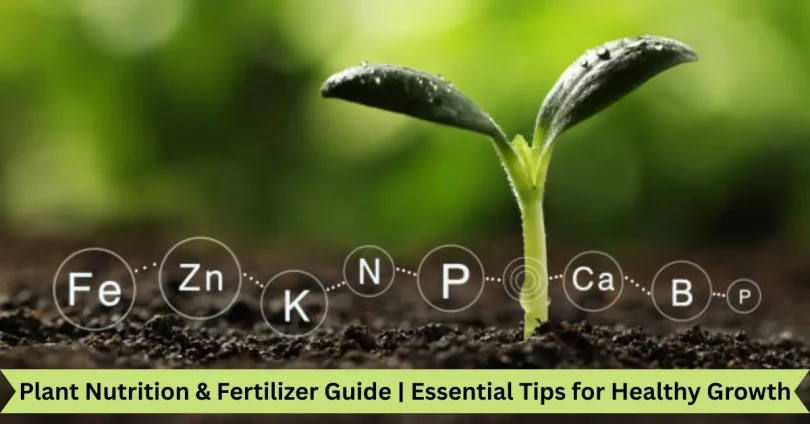
Plant Nutrition: Understanding the essential nutrients plants need, including macronutrients like nitrogen, phosphorus, and potassium, as well as micronutrients like iron, zinc, and magnesium. Each one plays a specific role in keeping your plants healthy.
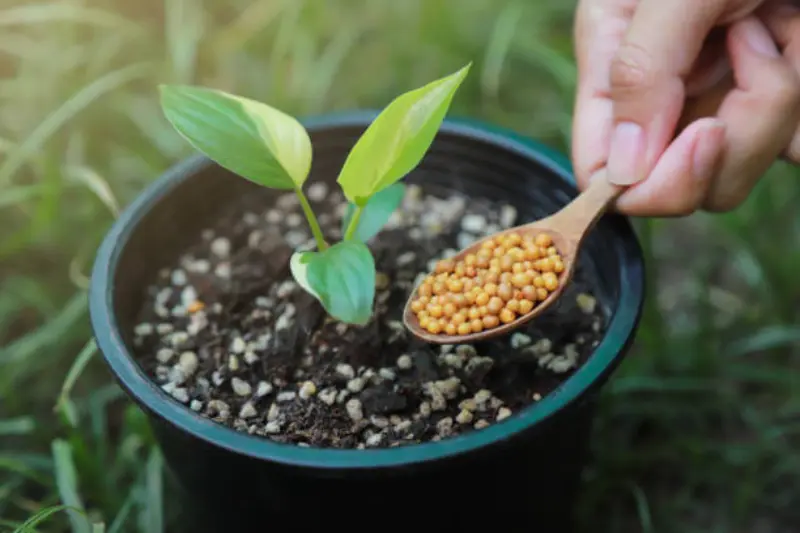
Fertilizers: Learning about the different types of fertilizers available (organic, synthetic, slow-release, and more), how they work, and when and how to use them properly. The right fertilizer can make a big difference in your plant’s growth, especially if your soil lacks certain nutrients.
In short, this guide is your go-to starting point for growing better plants by feeding them the right way. Whether you’re caring for houseplants, vegetables, flowers, or a backyard lawn, understanding plant nutrition and fertilizer use will help you get better results with less effort.
Why Plant Nutrition & Fertilizer Guide is Important
Understanding how to properly feed your plants is one of the most important steps in successful gardening. Here’s why this guide matters for every plant lover.
Helps Plants Grow Strong and Healthy
- Balanced nutrition supports every stage of growth
- Plants need the right mix of nutrients to grow strong roots, healthy stems, and lush leaves.
- Without this balance, growth may slow down or become uneven.
- Prevents common nutrient deficiencies
- Yellow leaves, weak stems, or poor flowering often result from missing nutrients.
- A good nutrition plan helps you avoid and fix these issues early.
- Boosts plant immunity and resistance
- Healthy, well-nourished plants are better at fighting off pests and diseases.
- They also handle stress from heat or drought more effectively.
Improves Soil Health Over Time
- Encourages microbial activity in the soil
- Organic matter from fertilizers feeds helpful microbes in the soil.
- These microbes break down nutrients and make them easier for plants to absorb.
- Reduces soil degradation and nutrient loss
- The right fertilizer keeps the soil structure strong and prevents erosion or depletion.
- This means your soil stays productive year after year.
- Supports long-term, sustainable gardening
- Feeding both your plants and the soil creates a healthier growing environment.
- Over time, this reduces the need for synthetic chemicals.
Increases Yield and Quality
- Leads to better flowering and fruit production
- Plants that receive proper nutrition produce more blooms and larger harvests.
- This is especially important for vegetables, fruits, and flowering plants.
- Enhances the size and color of produce
- Potassium and phosphorus improve fruit size, sweetness, and rich color.
- This makes your crops more appealing and nutritious.
- Gives consistent results across growing seasons
- Following a guide helps you create a repeatable feeding routine.
- You’ll get more predictable results and avoid guesswork each year.
Saves Time, Effort, and Money
- Prevents over-fertilizing and waste
- Overfeeding can damage plants and waste money.
- A clear guide helps you apply just the right amount at the right time.
- Reduces plant loss due to poor care
- Many plant problems come from poor nutrition and can be avoided.
- Proper feeding reduces the risk of losing plants unexpectedly.
- Optimizes your garden investment
- Seeds, soil, and tools cost money—fertilizing smartly protects that investment.
- Healthier plants mean better results with fewer replacements needed.
Step-by-Step Guide: Plant Nutrition & Fertilizer Guide | Essential Tips for Healthy Growth
Feeding your plants correctly doesn’t have to be complicated. Follow these practical steps to make sure your garden or indoor plants get the nutrients they need for healthy, steady growth.
Step 1: Understand Your Plant’s Needs
- Every plant is different. Some love lots of nitrogen (like leafy greens), while others need more phosphorus for blooms (like flowers or tomatoes).
- Research the specific nutritional needs of your plants to avoid under- or over-feeding.
Step 2: Test Your Soil or Growing Medium
- Use a soil test kit or a mobile app to check for nutrient levels and pH balance.
- This helps you know what your soil already has—and what it’s missing—before adding any fertilizer.
Step 3: Choose the Right Type of Fertilizer
- Organic Fertilizers (like compost or bone meal) are great for long-term soil health.
- Synthetic Fertilizers (like NPK blends) offer quick results for fast-growing plants.
- For tech-savvy gardeners, smart or slow-release fertilizers are now widely available in 2025.
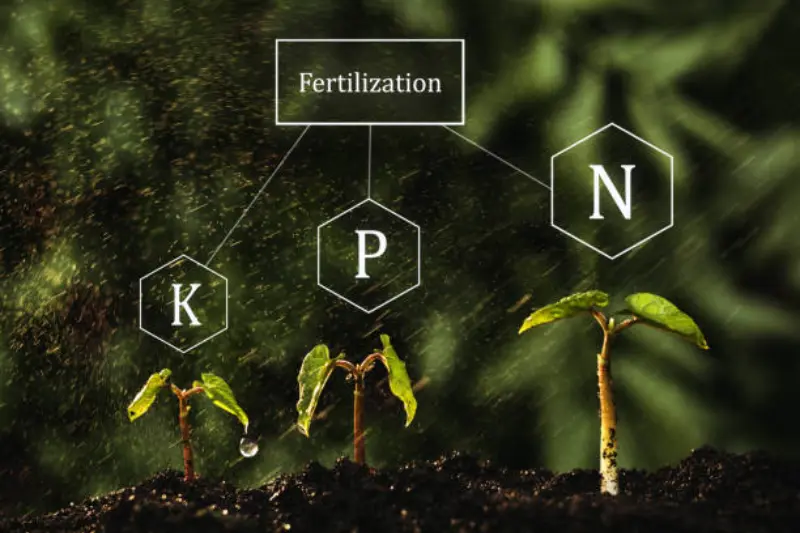
Step 4: Understand the NPK Ratio
- Fertilizers are labeled with numbers like 10-10-10 (Nitrogen-Phosphorus-Potassium).
- Choose a ratio that fits your plant’s current growth stage: nitrogen for leaves, phosphorus for roots/flowers, potassium for overall health.
Step 5: Apply Fertilizer at the Right Time
- Fertilize during the plant’s active growing period (spring and summer for most).
- Avoid feeding when the plant is dormant or stressed by heat, cold, or disease.
Step 6: Follow Proper Application Methods
- For liquid fertilizers: dilute as directed and water the soil around the base of the plant.
- For granular fertilizers: spread evenly and water afterward to activate nutrients.
- Avoid getting fertilizer on leaves unless it’s a foliar spray designed for that purpose.
Step 7: Water Properly After Feeding
- Watering helps carry nutrients to the roots, especially after applying dry fertilizer.
- Be careful not to overwater, as this can wash nutrients away or cause root rot.
Step 8: Monitor Plant Health Regularly
- Look for signs of improvement like greener leaves, more flowers, or stronger stems.
- Watch for signs of over-fertilization (brown leaf tips, stunted growth) and adjust accordingly.
Step 9: Reapply Fertilizer as Needed
- Most fertilizers need to be reapplied every 2–6 weeks, depending on the type and your plant’s needs.
- Read labels and set reminders to stay consistent through the growing season.
Step 10: Keep Records for Better Results
- Track what fertilizers you use, how much, and how your plants respond.
- This helps you refine your approach each year for better results and fewer mistakes.
Advantages and Disadvantages of Plant Nutrition & Fertilizer Use
| Advantages | Disadvantages |
| Faster Plant Growth Fertilizers provide essential nutrients that speed up plant development. This leads to quicker results, especially during the growing season. | Risk of Over-Fertilization Too much fertilizer can damage roots, burn leaves, or kill plants. It can also lead to excess salt buildup in the soil or containers. |
| Higher Yields and Better Quality Proper nutrition boosts the quantity and quality of flowers, fruits, and vegetables. You’ll notice more vibrant colors, larger sizes, and improved taste or aroma. | Environmental Pollution Improper use of chemical fertilizers can lead to runoff, polluting water sources. This can harm aquatic life and disrupt ecosystems. |
| Prevents Nutrient Deficiencies Feeding plants the right nutrients helps avoid issues like yellowing leaves or stunted growth. It keeps plants looking healthier and more vibrant year-round. | Soil Imbalance Over Time Using the wrong fertilizer repeatedly may cause nutrient imbalances in the soil .This can reduce overall soil health and plant performance. |
| Improves Soil Fertility (with Organic Fertilizers) Organic fertilizers add organic matter and promote microbial life in the soil. Over time, this improves soil structure and nutrient availability naturally. | Cost of Fertilizers High-quality fertilizers, especially organic or slow-release types, can be expensive. For large gardens or farms, costs may add up quickly if not used wisely. |
| Supports Plant Resistance Well-fed plants are more resilient against pests, diseases, and environmental stress. This means fewer plant losses and reduced need for chemical treatments. | Dependency on External Inputs Relying too much on store-bought fertilizers can create dependency. It may discourage natural soil care methods like composting or crop rotation. |
Common FAQs: Plant Nutrition & Fertilizer Guide | Essential Tips for Healthy Growth
What is plant nutrition?
Plant nutrition is all about giving your plants the nutrients they need to grow. Just like people need food, plants need things like nitrogen, phosphorus, and potassium.
Why do I need to use fertilizer?
Fertilizer helps your plants grow faster, healthier, and stronger. It adds nutrients to the soil that your plants might not be getting naturally.
How do I know if my plants need fertilizer?
If your plants are growing slowly, have yellow leaves, or aren’t blooming well, they may need extra nutrients. A soil test can also tell you what’s missing.
What do the numbers on fertilizer bags mean?
The numbers (like 10-10-10) show the amount of nitrogen (N), phosphorus (P), and potassium (K). Each one helps with a different part of plant growth.
Should I use organic or chemical fertilizer?
Organic fertilizers are natural and good for long-term soil health. Chemical ones work faster but need to be used carefully to avoid harming plants or soil.
How often should I fertilize my plants?
It depends on the plant and the fertilizer. Most need feeding every 2–4 weeks during the growing season. Always follow the instructions on the label.
Can I over-fertilize my plants?
Yes, too much fertilizer can hurt your plants. It can burn the roots, turn leaves brown, or even kill the plant, so more isn’t always better.
Do indoor plants need fertilizer too?
Yes! Indoor plants need nutrients just like outdoor ones, especially if they’ve been in the same soil for a long time. A liquid fertilizer works well for them.
When is the best time to fertilize?
The best time is when your plants are actively growing—usually spring and summer. Avoid fertilizing during very hot weather or when the plant is dormant.
Can I make my own fertilizer at home?
Yes! Compost, banana peels, coffee grounds, and eggshells can all be turned into natural fertilizer. It’s easy, eco-friendly, and saves money.
Conclusion
Taking care of your plants doesn’t have to be hard. By understanding their basic nutrition needs and using the right fertilizers at the right time, you can help them grow stronger, healthier, and more beautiful. Whether you’re growing veggies, flowers, or houseplants, a little knowledge goes a long way. Use this Plant Nutrition & Fertilizer Guide | Essential Tips for Healthy Growth as your go-to resource—and enjoy watching your plants thrive.
Bonus Tips for Healthy Plant Growth
Use Rainwater When Possible
Rainwater is one of the best natural sources of hydration for plants. Unlike tap water, it doesn’t contain chlorine or other chemicals that may affect soil balance or harm delicate plant roots. Collecting rainwater in a barrel or container is an easy, eco-friendly way to give your plants a healthier drink.
Don’t Fertilien Waste
Instead of tossing out food scraps, use them to create compost. Items like fruit peels, eggshells, coffee grounds, and vegetable trimmings break down into nutrient-rich organic matter. Compost improves soil structure, boosts microbial life, and slowly releases nutrients to plants over time.
Group Plants by Needs
Place plants with similar needs—such as light, water, and feeding frequency—in the same area. This makes daily care much easier and reduces the risk of overwatering or overfeeding certain plants. It also helps create a more consistent and balanced growing environment.
Keep a Plant Care Journal
Recording your plant care routine, including when and what you feed them, can be a huge help. A journal allows you to track changes, notice patterns, and learn from past successes or mistakes. Over time, you’ll build a customized care plan that works best for your space and plants.
Fertilize Early in the Day
The best time to fertilize is in the early morning when temperatures are cooler. This gives your plants time to absorb nutrients before the heat of the day causes moisture (and nutrients) to evaporate. It also reduces the risk of fertilizer burn on leaves.
Use Mulch to Retain Nutrients
Applying mulch around your plants helps the soil retain moisture and protects it from erosion. It also keeps nutrients from washing away during rain or watering. Additionally, mulch keeps roots cool and helps suppress weeds, which compete for nutrients.
Start with a Small Test Area
If you’re trying a new fertilizer or method, always test it on a small area first. This way, if something doesn’t work, you won’t risk harming all your plants. It’s a smart and safe approach, especially for beginners or when using unfamiliar products.