Introduction
If you’ve ever dreamed of growing your own healthy vegetables, herbs, or fruits without using chemicals, then organic gardening is perfect for you. It’s not just better for your health but also for the environment. In this blog, we’ll share the Top Organic Gardening Tips You Should Know – Grow Naturally & Sustainably. These simple and effective tips will help you start or improve your organic garden, no matter your space or experience level. Let’s grow green the right way!
What is “Top Organic Gardening Tips You Should Know – Grow Naturally & Sustainably”?

This phrase simply means the best and most important advice to help you succeed in organic gardening—a method of growing plants naturally without using synthetic chemicals. These tips focus on using natural tools and techniques to grow healthy plants while protecting the soil, environment, and your health.
“Grow Naturally” means using natural fertilizers, compost, and eco-friendly pest control methods instead of harmful chemicals.
“Sustainably” means gardening in a way that takes care of the earth—like saving water, protecting pollinators, and keeping your soil rich for the future.
By following these top tips, you’re not just growing your own food—you’re doing it in a way that’s safe, smart, and good for the planet!
You May Also Like It:
How to Protect Trees During Storms – Essential Tips for Tree Safety
How to Spot Overwatering vs Underwatering: Key Plant Care Signs
Plant Nutrition & Fertilizer Guide | Essential Tips for Healthy Growth
Why Is “Top Organic Gardening Tips You Should Know – Grow Naturally & Sustainably” Important?
Understanding the value of organic gardening helps you make better choices for your health, your garden, and the planet. Here’s why these tips truly matter:
Promotes Healthier Living
- Reduces chemical exposure
Organic gardening avoids harmful pesticides and fertilizers that can affect your health over time. - Grows nutrient-rich produce
Naturally grown fruits and vegetables often contain more vitamins, minerals, and antioxidants. - Safe for children and pets
No harsh chemicals in the garden means it’s safe for kids and animals to play around.
Supports the Environment
- Protects soil health
Organic methods enrich the soil with natural matter, keeping it fertile for years to come. - Saves water through mulching
Organic gardens often use mulch and smart watering, helping conserve water effectively. - Preserves biodiversity
It encourages bees, birds, and beneficial insects, creating a balanced and thriving ecosystem.
Encourages Sustainability
- Reduces waste with composting
Kitchen scraps and garden waste can be reused as compost, reducing overall garbage. - Lowers carbon footprint
Growing your own food means fewer trips to the store and less need for packaged produce. - Promotes long-term gardening
Sustainable methods help your garden thrive season after season without harming the earth.
Saves Money Over Time
- Less need for chemical products
Natural solutions and home-made fertilizers reduce your spending on garden supplies. - Grow your own food
Harvesting vegetables at home lowers your grocery bills and gives you fresh produce daily. - Reusable gardening practices
Techniques like crop rotation and composting reduce the need for buying new materials every season.
Builds a Stronger Connection with Nature
- Improves mental well-being
Spending time in a natural garden reduces stress and helps you feel more relaxed and happy. - Teaches patience and responsibility
Organic gardening is a gentle, hands-on learning experience that develops care and consistency. - Inspires eco-friendly habits
As you garden organically, you naturally start making greener choices in other parts of life too.
Step-by-Step Guide: Top Organic Gardening Tips You Should Know – Grow Naturally & Sustainably
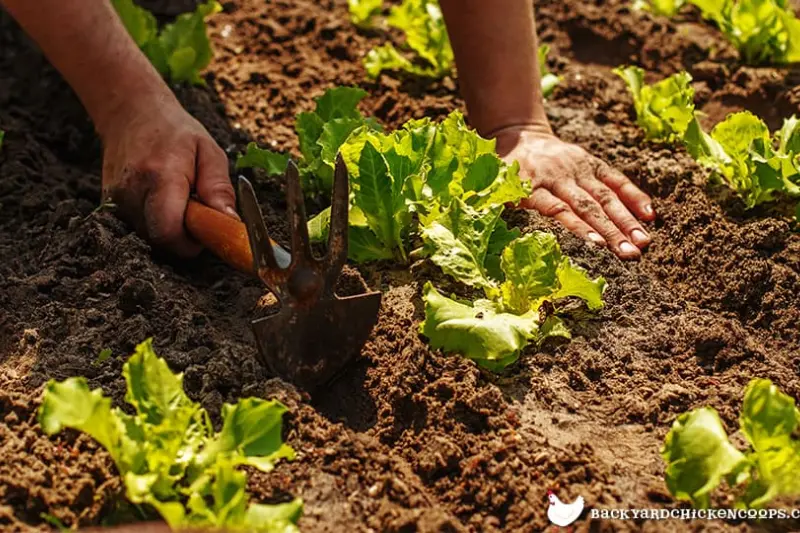
Follow these simple steps to start and maintain a healthy organic garden that’s good for you and the environment.
Step 1: Choose the Right Location
- Pick a spot with plenty of sunlight, good air circulation, and easy access to water.
- Most vegetables and herbs need at least 6 hours of direct sunlight per day to grow well.
Step 2: Prepare Healthy Soil
- Test your soil to understand its pH and nutrient levels before planting.
- Add compost, aged manure, and organic matter to enrich the soil naturally.
Step 3: Use Organic Seeds or Seedlings
- Choose certified organic, heirloom, or non-GMO seeds for best results.
- These seeds are free from chemical treatments and support sustainable growing.
Step 4: Make and Use Compost
- Collect kitchen scraps like fruit peels, veggie bits, and eggshells for composting.
- Compost improves soil structure and gives your plants essential nutrients.
Step 5: Practice Natural Pest Control
- Encourage helpful insects like ladybugs and use neem oil or garlic spray to deter pests.
- Avoid chemical pesticides, which can harm plants and the ecosystem.
Step 6: Water Wisely
- Water deeply but less frequently to encourage strong root growth.
- Use mulch and drip irrigation to retain moisture and reduce waste.
Step 7: Rotate Crops Regularly
- Change the location of plant types each season to prevent soil depletion and disease.
- Crop rotation also reduces pest buildup and keeps the soil balanced.
Step 8: Try Companion Planting
- Grow certain plants together to naturally boost growth and control pests.
- Examples include planting basil with tomatoes or marigolds with beans.
Step 9: Keep Your Garden Clean
- Remove dead leaves, weeds, and diseased plants regularly.
- Clean surroundings help prevent the spread of pests and plant diseases.
Step 10: Stay Consistent and Learn Continuously
- Check on your garden daily to spot problems early and enjoy the progress.
- Read, observe, and improve your skills as your garden grows over time.
Advantages and Disadvantages of Organic Gardening
| Advantages | Disadvantages |
| Healthier Produce Organic fruits and vegetables are free from harmful chemicals and pesticides, making them safer to eat. | Slower Results Organic gardening takes time to show results, especially compared to fast-acting chemical methods. |
| Environmentally Friendly Organic gardening protects the soil, water, and surrounding ecosystem by avoiding synthetic fertilizers and chemicals. | More Manual Work You’ll need to spend more time weeding, composting, and monitoring plant health without chemical shortcuts. |
| Improves Soil Quality Using compost and natural methods enriches the soil, helping it stay fertile and productive over time. | Pest Control Can Be Tricky Natural pest control methods may not be as quick or strong as synthetic pesticides, requiring patience and regular effort. |
| Cost-Effective in the Long Run While it may require effort at the start, organic gardening saves money on store-bought food and chemical products. | Limited Access to Organic Materials Finding organic seeds, compost, and natural fertilizers can be challenging in some areas. |
| Encourages Biodiversity Attracts beneficial insects, birds, and pollinators that naturally balance the garden’s ecosystem. | Learning Curve for Beginners New gardeners may need time to understand soil care, plant pairings, and organic techniques properly. |
You May Also Like It:
Common Tree Diseases and Effective Treatment Methods – Tree Care Guide
Best Time to Trim Trees – Seasonal Guide for Healthy Growth
How to Keep Indoor Plants Healthy | Essential Tips for Thriving Houseplants
Frequently Asked Questions (FAQs)
What is organic gardening?
Organic gardening means growing plants naturally without using synthetic fertilizers, pesticides, or chemicals. It focuses on healthy soil, compost, and eco-friendly methods.
Can beginners start organic gardening?
Yes, absolutely! Organic gardening is great for beginners. Start small with easy plants like tomatoes, mint, or lettuce, and grow as you learn.
Is organic gardening expensive?
Not really. It might cost a bit more at the start for tools or compost, but over time, you save money by growing your own food and reusing materials.
How do I keep pests away without chemicals?
Use natural pest control like neem oil, garlic spray, or plant flowers like marigolds to attract helpful insects. Keep your garden clean and healthy.
What kind of compost can I use?
You can make compost at home using fruit peels, veggie scraps, eggshells, leaves, and grass clippings. It’s easy, free, and great for your plants.
How much time does organic gardening take?
A few minutes each day is enough to water, check for pests, and care for your plants. The more attention you give, the better your garden grows.
Do I need a big space to start?
No! You can start in small spaces like pots, containers, or even on your balcony. Organic gardening works in any space, big or small.
Conclusion
Organic gardening is a simple and rewarding way to grow fresh, healthy food while caring for the environment. By following easy tips and using natural methods, anyone can create a green space that’s safe, sustainable, and full of life. Start small, stay consistent, and enjoy the natural journey of growing your own garden!
Bonus Points for Organic Gardening Success
- Use Companion Planting
Grow certain plants together (like basil with tomatoes) to boost growth and naturally deter pests. - Rotate Your Crops
Changing plant locations each season helps prevent soil depletion and reduces the risk of diseases. - Make Use of Mulch
Mulching keeps the soil moist, reduces weeds, and adds nutrients as it breaks down over time. - Harvest Rainwater
Collecting rainwater is eco-friendly and gives your garden a natural, chemical-free water source. - Grow Native Plants
Native plants adapt better to your environment, need less maintenance, and support local wildlife.
You May Also Like It:
Tree Pruning Tips for Beginners – Easy Guide to Healthier Trees
Why Your Plant Leaves Are Turning Yellow | Common Causes & Easy Fixes
Natural Remedies for Plant Pests | Eco-Friendly Pest Control Tips 2025
How to Care for Trees in Your Backyard – Tree Maintenance Tips 2025