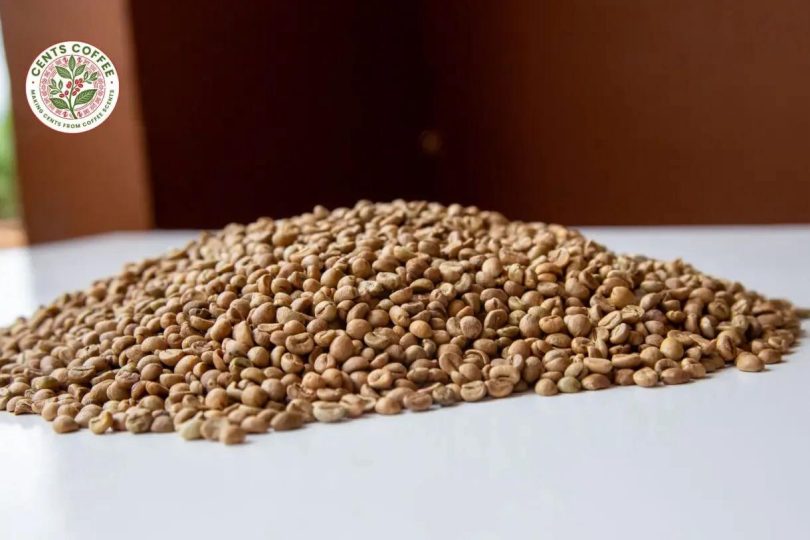

For coffee importers and roasters, understanding Ugandan coffee bean screen grades is essential to making informed purchasing decisions. While origin and altitude often dominate coffee conversations, bean size and uniformity, determined by screen grading, play a surprisingly critical role in roasting consistency, cup quality, and profitability. This guide demystifies the grading system and helps you select the right beans for your operation.
Why Grading Matters in Coffee Trade
Coffee grading directly impacts roasting results. Beans of uniform size roast evenly, reducing the risk of under roasted or over roasted batches. Inconsistent sizing can lead to uneven extraction, compromised flavor, and wasted product, costs that quickly compound at a commercial scale. For importers, understanding screen sizes ensures you are paying for actual quality, not just marketing hype.
What Are Coffee Screen Sizes?
Coffee screens are standardized sieves that sort beans by physical size. A “Screen 15” or “Screen 18” refers to the number of perforations per linear inch on the sieve. Beans are passed through, and those that do not fall through are retained and graded accordingly.
Common Misconception: Larger beans do not automatically mean better quality. Instead, screen grades reflect uniformity and consistency, critical factors for commercial roasting. The “best” grade depends entirely on your roasting goals and market demands.
Common Ugandan Screen Grades Explained
Uganda’s Robusta classification system includes three primary commercial grades:
Robusta Screen 12: The smallest of the primary grades at 12/64 of an inch. These beans deliver concentrated flavor intensity, making them ideal for espresso applications where bold, aggressive profiles shine. Screen 12 is often the choice for roasters seeking high punch and distinctive crema without the premium price point of larger beans.
Robusta Screen 15: Often called the “sweet spot” in the Ugandan Robusta market, green coffee beans screen 15 graderepresent medium-large, highly uniform beans. Measuring 15/64 of an inch, Screen 15 combines exceptional quality with competitive pricing. The flavor profile features earthy, nutty, woody characteristics with dark chocolate undertones. Some specialty lots showcase intriguing notes of spiced rum or black cherry. Full-bodied with smooth, low acidity, Screen 15’s natural processing (sun-dried) enhances both body and sweetness. Sourced primarily from the Lake Victoria basin and Western Uganda, this grade has become the commercial standard for balancing premium quality with roaster affordability and high uniformity.
Robusta Screen 18: At the premium end, green coffee beans screen 18 grade represent large, exceptionally uniform beans. With over 92 percent of beans retained on the screen 18 sieve, this grade ensures superior sorting and minimal defects (typically under 7 percent). Robusta coffee large bean screen 18, is prized for its consistency, strong full-bodied cup profile, and rich chocolate aroma with high caffeine content. Some Screen 18 lots feature washed processing, elevating them to commercial quality comparable to Supremo or AA beans. This grade is the preferred choice for roasters strengthening espresso blends and seeking premium, minimal-loss production.
Differences in Flavor and Roasting
Screen size influences roasting behavior. Larger beans (Screen 18) develop heat more slowly and uniformly, allowing for precise roast control. Smaller beans (Screen 12) roast faster and can achieve darker roasts more quickly. Medium beans (Screen 15) offer versatility: responsive enough for varied roasting profiles yet uniform enough for consistency.
Flavor uniformity improves with larger screens. Screen 18’s exceptional uniformity means every bean roasts identically, reducing batch variation and ensuring predictable cup quality.
Choosing the Right Screen Grade
For espresso, screens 15 and 18 both excel here. Screen 15 offers aggressive flavor at accessible pricing; Screen 18 provides premium, uniform results for specialty applications.
For Blends: Screen 15 is the industry workhorse, adding body, consistency, and affordability to blends.
For Specialty Applications: Screen 18’s precision and uniformity appeal to roasters targeting high-end markets where consistency commands premium pricing.
Why Ugandan Robusta Stands Out
Uganda’s high altitude Robusta cultivation produces exceptional beans even at larger screen sizes. Unlike typical robusta from lower-altitude origins, Ugandan Screen 18 offers remarkable clarity and reduced bitterness. The volcanic soil and sustainable farming practices create beans with genuine character, not just commodity filler.
Conclusion: Educating Buyers for Better Sourcing
Understanding screen grades empowers you to source coffee strategically. You are not just buying beans; you are investing in roasting consistency, customer satisfaction, and operational efficiency.
Ready to explore Uganda’s premium screen grades? Browse our complete selection of Robusta Screen 15 and RobustaScreen 18 beans, or view all our Ugandan coffee products to find your ideal grade.
Get a quote today and discover how the right screen grade can transform your roasting operation.