
Introduction
Packaging is often treated as a simple final step before a product leaves a warehouse, but it can have a major impact on whether goods reach their destination in perfect condition. Fragile products can be damaged by vibration, impacts, pressure and movement during transportation, while poorly secured cartons may shift around during handling.
The good news is that effective protection does not always require expensive packaging materials. Choosing the right combination of cushioning and load-stabilising products can provide reliable protection while keeping costs under control. Materials such as Cheap Bubble Wrap and pallet wrapping are particularly useful for businesses, online sellers, warehouses and households that regularly prepare goods for transportation or storage.
Why Protective Packaging Matters
A package can experience considerably more movement than expected once it leaves your premises. Parcels may be loaded onto vehicles, transferred between storage areas, stacked with other goods or handled several times before reaching their destination.
This is especially important when dealing with glassware, electronics, furniture components, ceramics, decorative items and other products that can be scratched, dented or broken.
Protective packaging creates a barrier between the product and the external forces it may encounter. Instead of allowing an impact to transfer directly to the item, cushioning materials help absorb some of that energy.
Good packaging also prevents products from moving excessively inside cartons or becoming unstable when several packages are transported together.
Understanding the Different Roles of Bubble Wrap
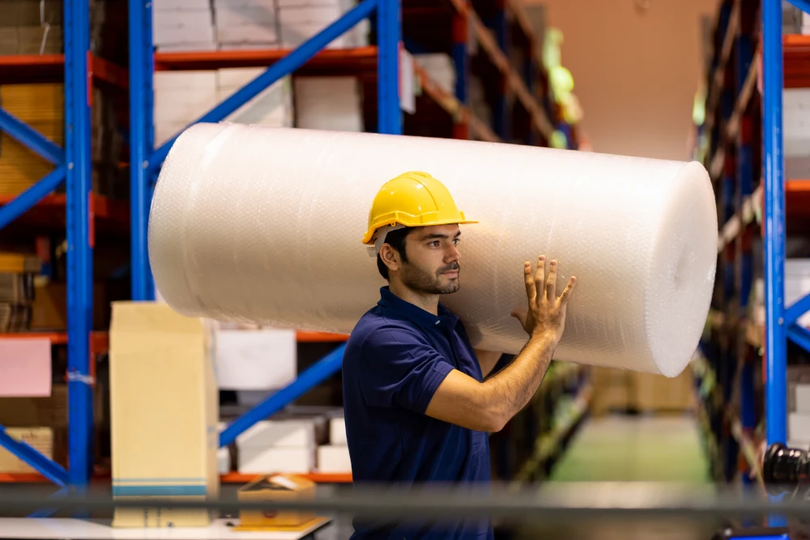
Bubble Wrap is one of the most recognisable protective packaging materials because it combines cushioning with flexibility. However, not every product requires the same type of bubble wrap.
Larger bubbles are generally useful when additional cushioning is required, particularly around larger or heavier objects. The air-filled pockets help create space between the item and potential sources of impact.
Smaller bubbles, on the other hand, can be useful for delicate products and smaller objects. Their compact structure makes them convenient when wrapping individual items or filling empty areas inside boxes.
The key is to choose the material according to the product rather than simply selecting whatever packaging is cheapest.
Benefits of Using Cost-Effective Bubble Protection
Choosing affordable packaging does not necessarily mean compromising on protection. When the right material is selected for the application, businesses can reduce packaging expenses while still creating a suitable protective layer.
1. Helps Cushion Fragile Items
Bubble cushioning can help reduce the effect of minor knocks and impacts during handling. Wrapping an item before placing it inside a carton can provide an additional protective layer around vulnerable surfaces.
2. Reduces Movement Inside Boxes
Empty space inside a package allows products to move around during transit. This can increase the likelihood of scratches, dents or breakage. Bubble material can be used around an item or within unused spaces to help keep the contents more secure.
3. Useful for Different Product Sizes
One advantage of bubble-based packaging is its flexibility. It can be wrapped around individual products, used between objects or cut into suitable sections depending on the packaging task.
4. Suitable Beyond Commercial Shipping
Protective cushioning is not limited to warehouses and online retailers. Homeowners can use it when moving house, storing valuables or preparing possessions for transportation.
For businesses handling packaging every day, buying suitable materials in practical roll sizes can also make the packing process easier and more consistent.
Choosing Between Small and Large Bubble Protection
The size of the bubbles should be considered alongside the size, weight and fragility of the item.
Large bubble material is particularly useful for bigger objects that need increased cushioning. It can help create a thicker protective layer between a product and the outside of its packaging.
Smaller bubble material is often more convenient for compact products. It can also be useful when the objective is to secure smaller objects without taking up unnecessary space.
There is no universal solution for every shipment. A business sending lightweight decorative products may have completely different requirements from a company transporting larger industrial components.
Testing different options with representative products can help determine which format provides the best balance between protection, material consumption and packing speed.
Combining Internal Protection With Pallet Security
Protecting an individual product is only part of the packaging process. Once multiple cartons are placed together on a pallet, the entire load needs to remain stable.
This is where Pallet Wrap Manchester solutions can become valuable for companies preparing larger shipments.
Stretch wrapping helps hold cartons and other packaged goods together as a single unit. By creating tension around the load, the wrapping can help reduce unwanted movement while the pallet is being transported or handled.
This is particularly important in warehouses where pallets may be moved using forklifts or pallet trucks. A securely wrapped load is easier to handle and less likely to shift during transportation.
The combination of internal cushioning and external load stability therefore addresses two different packaging challenges: protecting the individual product and keeping the overall shipment secure.
Practical Ways to Reduce Packaging Costs
Reducing packaging expenditure is not simply about purchasing the cheapest material available. Using too little protection can lead to damaged goods, returns, replacements and dissatisfied customers.
Instead, businesses should look at packaging efficiency as a whole.
Use the Correct Amount of Material
Over-wrapping products can increase material consumption without necessarily providing meaningful additional protection. Under-wrapping, however, can leave vulnerable areas exposed.
Finding the right amount through testing can help establish a repeatable packing method.
Select Appropriate Roll Sizes
Packaging requirements vary between businesses. Some operations may need smaller widths for individual products, while others may require wider material for larger items.
Using a suitable roll width can reduce unnecessary cutting and make packing more efficient.
Standardise Common Packaging Procedures
If employees use different methods for packing similar products, material consumption can vary significantly. Creating simple packaging guidelines can help staff apply consistent protection without wasting supplies.
Consider Custom-Cut Requirements
Some packaging suppliers can provide rolls cut to particular dimensions. This can be useful for businesses with specialised packing requirements because the material arrives closer to the size needed for regular applications.
Packaging for Moving and Storage
Protective packaging is equally useful outside commercial environments.
When moving house, fragile possessions can be exposed to impacts while being carried between rooms, loaded into vehicles and unloaded at the new location. Wrapping individual items can reduce the risk of surface damage during these stages.
The same principle applies to storage. Items stored for months may be moved several times before being used again. Adding a protective layer can help keep surfaces away from direct contact with other objects.
Bubble cushioning can be especially useful for picture frames, ornaments, glass items, small appliances and other household possessions that require additional protection.
What to Look for When Buying Packaging Materials
Price is an important factor, but it should not be the only consideration.
A good packaging decision should take into account:
- The size and weight of the products being packed
- How fragile the products are
- The expected transportation conditions
- How much material is needed per package
- Whether the material is easy for staff to handle
- Available roll widths and lengths
- Delivery requirements
- Whether collection is available
- The overall cost per packed item
For businesses purchasing packaging regularly, these factors can have a bigger financial impact than the initial price of a single roll.
Benefits of a Complete Packaging Approach
Using different protective materials according to their specific purpose can create a more efficient packaging system.
For example, bubble cushioning can protect individual products from impacts, while stretch pallet wrapping can help stabilise multiple finished packages. Together, these materials address different points in the journey from warehouse to customer.
This approach can also make packing operations easier to organise. Staff can have one material for internal cushioning and another for securing completed pallet loads, reducing confusion and improving consistency.
Conclusion
Effective packaging does not have to be unnecessarily complicated or expensive. The most important step is understanding what type of protection each product and shipment actually requires.
Cheap Bubble Wrap can provide a practical cushioning layer for fragile products, household possessions and goods prepared for shipping. Choosing between smaller and larger bubbles according to the application can help businesses avoid both inadequate protection and unnecessary material use.
For larger shipments, Pallet Wrap Manchester solutions can add another level of security by helping keep cartons together and reducing movement during handling and transportation.
Ultimately, the best packaging strategy is one that balances protection, efficiency and cost. By selecting materials based on the products being handled rather than relying on a one-size-fits-all approach, businesses can protect their goods while keeping everyday packaging operations economical and practical.