
Introduction
Have you ever looked at one of your plants and thought, “Why do the leaves look strange?” or “Is something wrong with it?” You’re not alone. Just like people and animals, plants can get sick too. The important thing is to notice the signs early so you can help your plant recover before the problem gets worse.
In this blog post, we’ll walk you through how to recognize how to identify plant diseases, what symptoms to look for, and how to use simple tools (even your phone) to figure out what might be going wrong. Whether you’re growing vegetables in your garden or caring for a few indoor plants, this guide will help you keep them healthy and thriving in 2025.
What Does It Mean to Identify Plant Diseases?
Identifying plant diseases means figuring out what’s wrong with a plant when it starts to show unusual signs. Just like when people catch a cold or feel sick, plants also give warning signs when something isn’t right.
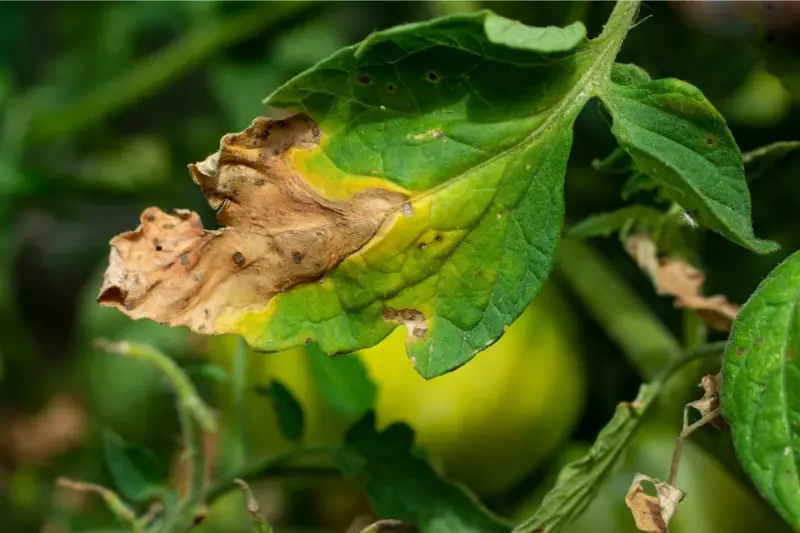
These signs can be things like yellow leaves, black spots, mold, or drooping stems. Sometimes the problem is caused by a fungus, bacteria, or virus. Other times, it might be due to poor soil, too much water, or pest attacks.
By learning how to identify these symptoms early, you can treat the disease quickly and stop it from spreading to other plants. It’s an important skill for anyone who enjoys gardening or growing plants—whether indoors, outdoors, or on a balcony.
In simple terms, identifying plant diseases is all about observing, understanding the signs, and knowing what action to take to help your plant get better.
FintechZoom.com Nickel Price Guide & Insights
Silver Price Fintechzoom – Live Updates, Charts & Expert Analysis
What is Market – Step By Step Complete Guide
Why Is It Important to Identify Plant Diseases?
Understanding and identifying plant diseases is not just about fixing problems—it’s about preventing them, saving resources, and helping your garden or home plants thrive. Here’s a closer look at why this matters:
Protects Plant Health
- Early action prevents permanent damage
Recognizing symptoms early helps stop diseases before they seriously weaken or kill the plant. - Helps plants grow stronger and healthier
Healthy plants grow faster, resist pests better, and produce more flowers, fruits, or leaves. - Keeps your garden or indoor space looking good
Diseased plants often look dull or messy, while healthy ones keep your space green and vibrant.
Prevents the Spread of Disease
- Stops infection from reaching other plants
Many plant diseases spread through air, water, or contact—early detection limits this risk. - Avoids major garden or crop losses
One infected plant can impact an entire garden, especially in closely spaced areas. - Reduces the chance of reinfection
Identifying the source of the disease helps you remove or treat it properly, preventing future issues.
Saves Time, Money, and Effort
- Reduces the need for repeated treatments
Treating a disease early often requires fewer chemicals and less maintenance. - Avoids replacing dead or damaged plants
Buying new plants can be expensive, especially if disease keeps returning. - Minimizes guesswork and stress
Knowing what’s wrong saves time spent researching or trying the wrong solutions.
Encourages Smarter Gardening Habits
- Promotes regular plant checkups
Looking out for disease signs builds a habit of checking your plants more often. - Improves overall plant care knowledge
Learning to identify issues helps you understand plant needs like light, water, and soil better. - Leads to better planning and plant choices
You’ll start choosing disease-resistant varieties and spacing plants more wisely.
Supports a Healthier Environment
- Reduces unnecessary chemical use
Early, accurate diagnosis means you only use treatments when needed, and in small amounts. - Protects beneficial insects and microbes
Fewer chemicals and healthier plants help pollinators and good soil organisms thrive. - Encourages natural solutions
You’re more likely to try organic or preventive methods when you understand what the problem is.
How to Identify Plant Diseases: A Step-by-Step Guide
Plant diseases can be tricky to spot if you’re not sure what to look for. This guide will walk you through the process, step by step, to help you figure out what’s wrong with your plant and what to do next.
Step 1: Observe the Symptoms Carefully
Take a close look at your plant from top to bottom.
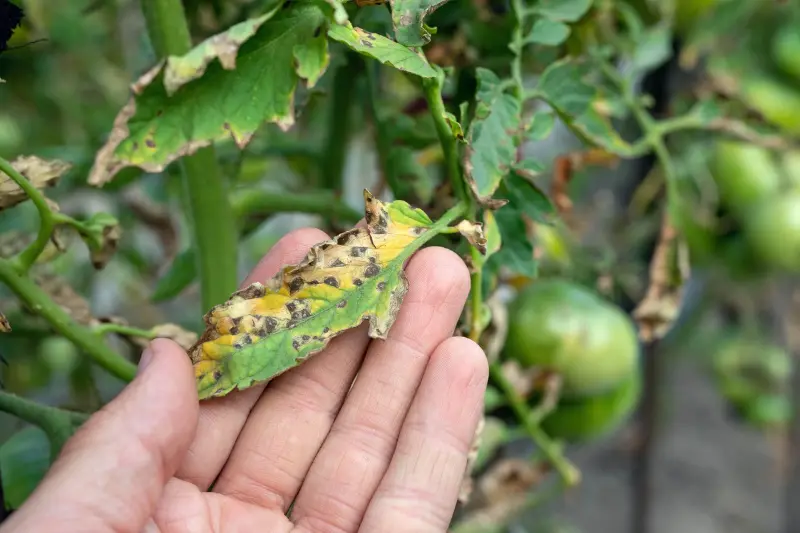
Check for unusual signs like yellowing leaves, brown spots, mold, holes, or drooping stems.
Tip: Compare the sick plant with a healthy one of the same type to spot the differences more easily.
Step 2: Examine the Entire Plant
Don’t just look at the leaves—check every part:
- Leaves – Look for color changes, spots, or curling.
- Stems – Check for cracks, discoloration, or mushy spots.
- Roots – Gently remove the plant from its pot to check for root rot or unusual smells.
- Soil – Is it too wet, too dry, or growing mold?
Step 3: Note When and Where the Problem Started
Think about recent changes or patterns:
- Did the problem start after repotting, watering, or moving the plant?
- Is it affecting just one plant or several in the same area?
- Has the weather been unusually humid, cold, or hot?
Keeping track helps you connect symptoms to possible causes.
Step 4: Use a Plant Disease App or Guide
Use your smartphone to help identify the issue.
Apps like Plantix, PictureThis, or LeafSnap can scan your plant and suggest possible diseases.
Alternative: Use gardening books or trusted websites with photo examples to match symptoms.
Step 5: Check for Pests
Many plant diseases are caused or spread by pests.
Look under leaves, in the soil, and along the stems for insects like aphids, spider mites, or whiteflies.
Tip: A magnifying glass or macro camera lens can help spot tiny pests more easily.
Step 6: Rule Out Non-Disease Issues
Not all problems are diseases. Some may be caused by:
- Overwatering or underwatering
- Poor lighting or temperature stress
- Nutrient deficiencies or pH imbalance
Test the soil or review your watering and light routine before treating for disease.
Step 7: Identify the Most Likely Disease
Based on your observations, narrow it down:
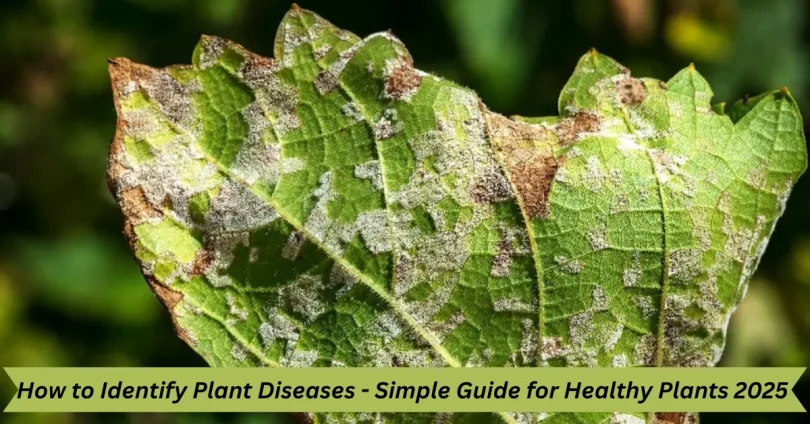
- Fuzzy white coating? Possibly powdery mildew.
- Black or brown soft spots on leaves? Could be leaf spot disease.
- Yellowing leaves with root smell? Likely root rot.
Use your notes, photos, and any app results to match the symptoms to a known disease.
Step 8: Take Action
Once you’ve identified the disease, it’s time to treat it:
- Remove infected leaves or parts.
- Isolate the plant if the disease is contagious.
- Use recommended treatments (organic or chemical).
- Clean your tools and pots to avoid spreading the problem.
Step 9: Monitor Your Plant Regularly
After treatment, keep an eye on your plant over the next few weeks.
Make sure the disease isn’t coming back and the plant is recovering well.
Prevent future issues by improving airflow, watering correctly, and keeping leaves dry when possible.
Advantages and Disadvantages of Identifying Plant Diseases
Understanding how to identify plant diseases has many benefits, but it’s also important to be aware of the potential challenges.
| Early Detection Saves Plants Identifying a disease early can prevent it from spreading and gives the plant a better chance to recover. | Requires Time and Attention Regular monitoring and close inspection of plants can be time-consuming, especially in larger gardens. |
| Cost-Effective Gardening Treating diseases early reduces the need to replace plants or use expensive chemical solutions. | Easy to Misdiagnose Many diseases have similar symptoms, and it’s possible to confuse them with non-disease issues like nutrient problems or pests. |
| Improves Gardening Knowledge Learning to recognize symptoms helps gardeners understand plant care more deeply and make better decisions. | Can Cause Unnecessary Worry New gardeners may overreact to normal plant changes or harmless issues, leading to unnecessary treatments. |
| Protects Other Plants Spotting a disease early allows you to isolate the infected plant and protect the rest of your garden or indoor collection. | Limited Resources for Rare Diseases Some plant diseases are hard to identify due to lack of information, especially for rare or uncommon plant varieties. |
| Encourages Healthier Habits Regular plant checks and disease awareness lead to better watering, cleaning, and plant care routines. | Dependence on Technology or Tools Apps and guides are helpful, but they may not always be accurate. Over-reliance on them without observation can lead to mistakes. |
Making Money from Home – Simple Tips and Ideas to Start Earning Today
Best Ways to Earn Money – Easy and Effective Methods to Boost Your Income
Money Management Tips – Simple Steps to Take Control of Your Finances
Common FAQs About Identifying Plant Diseases
Here are some of the most common questions people have when it comes to spotting and understanding plant diseases.
How do I know if my plant has a disease or just needs water?
Check for more than just drooping. If the soil is dry and the plant perks up after watering, it’s likely not a disease. But if you see spots, mold, or color changes, it might be something more serious.
What are the first signs of a plant disease?
Look for things like yellowing leaves, brown or black spots, moldy patches, and sudden wilting. These are early warning signs something might be wrong.
Can plant diseases spread to other plants?
Yes, many diseases can spread, especially fungal or bacterial ones. That’s why it’s a good idea to move sick plants away from healthy ones right away.
Do I need to use chemicals to treat plant diseases?
Not always. Some problems can be solved by removing damaged leaves, adjusting water or light, or using natural remedies like neem oil or baking soda spray.
Are there apps that can help me identify plant diseases?
Yes! Free apps like Plantix, PictureThis, and LeafSnap let you upload a photo and suggest possible problems. They’re great tools for beginners.
Can overwatering look like a plant disease?
Definitely. Overwatering can cause yellow leaves, root rot, and wilting—signs that can be mistaken for disease. Always check your soil before watering again.
How often should I check my plants for signs of disease?
A quick check once or twice a week is usually enough. Just look over the leaves, stems, and soil to make sure everything looks healthy.
What should I do if I’m not sure what’s wrong with my plant?
Start by checking for common issues like watering problems or pests. Then try using an app or plant care guide. If you’re still unsure, ask at a local nursery or gardening group.
Conclusion
Identifying plant diseases might seem tricky at first, but with a little practice, it becomes much easier. By keeping an eye on your plants, knowing what signs to look for, and using simple tools or apps, you can catch problems early and keep your plants healthy. Whether you’re a beginner or a seasoned gardener, paying attention to your plants is the best way to help them grow strong and stay disease-free.
Bonus Tips for Identifying Plant Diseases
Here are a few extra tips to make the process even easier and more effective:
- Keep a Plant Journal
Write down any changes you see—like leaf color, spots, or watering routines. This helps track patterns over time and spot issues early. - Use Clean Tools Every Time
Always clean your scissors, pruners, and pots to prevent spreading diseases from one plant to another. - Quarantine New Plants
Keep new plants separate from others for a week or two. This gives you time to spot hidden problems before they spread. - Improve Airflow Around Plants
Good airflow prevents moisture buildup, which reduces the chance of fungal diseases like powdery mildew. - Avoid Wetting the Leaves
When watering, aim for the soil—not the leaves. Wet leaves can invite mold and other moisture-loving diseases.
Stock Market for Beginners – How to Start in the Stock Market with Confidence
How to Invest in the Stock Market: A Step-by-Step Guide for Beginners
Stock Market Analysis Tools – Key Features and Benefits for Traders and Investors