
Introduction
Dealing with pests in your garden can be frustrating especially when you’ve put so much time and love into your plants. The good news? You don’t need harsh chemicals to protect your green space. In fact, nature itself offers plenty of safe and effective solutions.
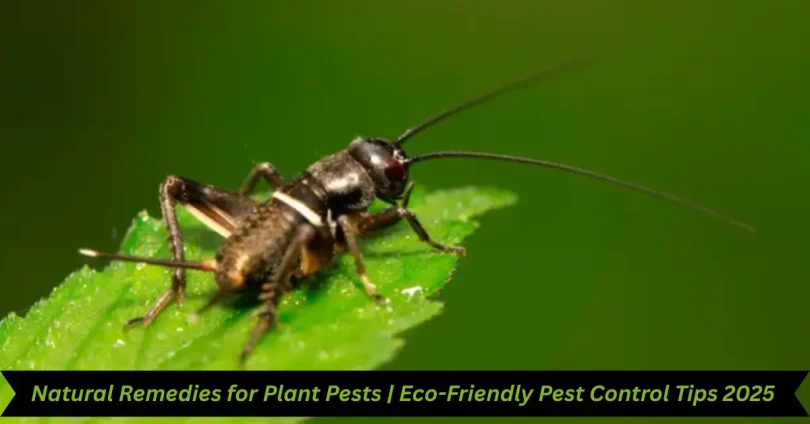
In this guide on Natural Remedies for Plant Pests | Eco-Friendly Pest Control Tips 2025, we’ll share easy, natural ways to keep your garden healthy and pest-free. Whether you’re a beginner or a seasoned gardener, these eco-friendly tips will help you protect your plants without harming the environment. Let’s get started on creating a greener, safer garden today.
What is “Natural Remedies for Plant Pests”?
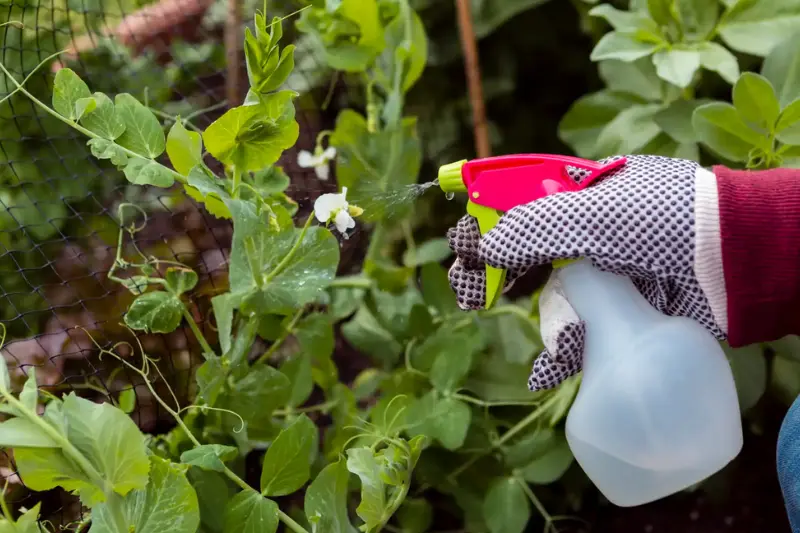
Natural remedies for plant pests are safe, chemical-free solutions used to protect plants from insects and other harmful creatures. These remedies are made from natural ingredients like herbs, oils, household items, or other plants—and they help get rid of pests without damaging the environment, harming your soil, or affecting beneficial insects like bees and butterflies.
Unlike chemical pesticides, natural remedies focus on working with nature. They may include homemade sprays (like neem oil or garlic spray), companion planting, or even encouraging “good bugs” to help control the bad ones.
In short, natural pest remedies are a smart, sustainable way to keep your garden healthy while staying kind to the planet. That’s why more gardeners in 2025 are turning to eco-friendly pest control tips as a safer, greener alternative.
Why Are Natural Remedies for Plant Pests Important?
Using natural solutions to manage pests is not only effective but also supports a healthier, more sustainable garden. Here’s why it truly matters in 2025:
Safer for Humans and Pets
- Non-toxic solutions: Natural remedies don’t contain harmful chemicals, making them safe for families and pets.
- Safe for edible plants: You can use them on herbs, fruits, and vegetables without worrying about chemical residues.
- No protective gear needed: Most homemade sprays are gentle enough to use without gloves or masks.
Environmentally Friendly
- No soil contamination: Natural ingredients break down easily and don’t pollute the soil.
- Water-safe: They won’t poison groundwater or nearby streams like synthetic pesticides can.
- Preserves nature’s balance: Eco-friendly practices keep ecosystems intact and thriving.
Protects Beneficial Insects
- Targets pests only: Natural remedies are selective and won’t harm bees, butterflies, or ladybugs.
- Encourages biodiversity: Healthy insect populations lead to better pollination and natural pest control.
- Avoids chain reactions: Unlike chemicals, they don’t disrupt food chains or kill off helpful species.
Promotes Sustainable Gardening
- Reduces dependency on chemicals: Over time, natural methods make your garden more self-sufficient.
- Supports soil health: Organic practices nourish the soil, leading to stronger plant roots.
- Long-term benefits: Sustainable gardening builds a resilient ecosystem that can manage pests naturally.
Cost-Effective and Easy to Make
- Uses household items: Most remedies are made with items like garlic, soap, or vinegar.
- No need for expensive sprays: You save money by avoiding store-bought pesticides.
- Quick to prepare: Many natural solutions take just minutes to mix and apply.
Encourages Mindful Gardening
- Teaches observation: You learn to identify pest problems early and act quickly.
- Improves plant care skills: Natural methods help you understand what your plants truly need.
- Builds a deeper connection with nature: Managing pests naturally makes gardening more rewarding and eco-aware.
Step-by-Step Guide: Natural Remedies for Plant Pests

Follow these simple steps to identify, treat, and prevent pest problems using natural and eco-friendly solutions.
Step 1: Identify the Pest Problem
- Inspect your plants regularly: Look for signs like holes in leaves, sticky residue, webbing, or visible insects.
- Know your enemy: Common garden pests include aphids, whiteflies, caterpillars, spider mites, and snails.
- Use a magnifying glass if needed: Some pests are tiny and hide under leaves or along stems.
Step 2: Choose the Right Natural Remedy
- For soft-bodied pests like aphids and mites: Use insecticidal soap or neem oil spray.
- For chewing pests like caterpillars and beetles: Try a chili-garlic spray or BT (Bacillus thuringiensis).
- For slugs and snails: Use beer traps or diatomaceous earth around the base of plants.
Step 3: Make Your Natural Remedy at Home
- Example: Neem Oil Spray: Mix 1 teaspoon neem oil, 1 teaspoon mild liquid soap, and 1 liter of water.
- Shake well and spray on affected plants in the early morning or evening.
- Example: Garlic-Chili Spray: Blend 1 garlic bulb, 2 hot chilies, and 1 liter of water. Let it sit overnight.
- Strain and spray directly on pests.
Step 4: Apply the Remedy Properly
- Spray directly on pests and affected areas: Focus on the underside of leaves and along stems where pests hide.
- Avoid applying during peak sun hours: Spray early in the morning or late in the evening to prevent leaf burn.
- Repeat every few days: Natural remedies take time—reapply every 3–5 days until pests are under control.
Step 5: Encourage Natural Predators
- Attract helpful insects like ladybugs, lacewings, and predatory wasps by planting nectar-rich flowers.
- Avoid using chemical sprays that can harm these beneficial creatures.
- Create a diverse garden with a mix of plants to support healthy ecosystems.
Step 6: Use Preventive Techniques
- Companion planting: Pair pest-repelling plants like marigolds, basil, and chives with vegetables.
- Crop rotation: Avoid planting the same crop in the same spot every season to reduce pest buildup.
- Healthy soil = healthy plants: Use compost and mulch to strengthen plants’ natural defenses.
Step 7: Monitor and Adjust
- Check plant health weekly to catch problems early.
- Rotate natural remedies if pests seem resistant or return quickly.
- Record your results to see what works best for your garden over time.
Final Tip
- Natural remedies may take longer than chemical pesticides, but they’re safer, smarter, and more sustainable. With consistency and care, your garden will thrive—free from harsh chemicals and full of life.
Advantages and Disadvantages of Natural Remedies for Plant Pests
| Advantages | Disadvantages |
| Safe for Health Natural remedies are made from non-toxic ingredients, making them safe for families, pets, and gardeners to use without fear of harmful side effects. They are especially suitable for edible plants because they don’t leave harmful chemical residues on fruits and vegetables. | Slower Results Natural remedies usually take longer to reduce pest populations compared to fast-acting chemical pesticides. Because they work by disrupting pest life cycles or repelling insects, repeated applications over days or weeks may be necessary. |
| Environmentally Friendly These remedies break down naturally in the environment and do not contribute to soil, water, or air pollution. By avoiding synthetic chemicals, natural pest control helps preserve the balance of local ecosystems and protects beneficial insects like bees and butterflies. | Less Effective for Severe Infestations In cases of heavy pest infestations, natural solutions might not be strong or fast enough to control the problem effectively. Sometimes they need to be combined with other methods or used early before pests multiply rapidly. |
| Cost-Effective Many natural pest control solutions can be prepared at home using simple, affordable ingredients like garlic, soap, or neem oil. This makes them much cheaper than buying commercial pesticides or hiring professional services. | Shorter Residual Effect Many natural sprays and treatments break down quickly when exposed to sunlight, rain, or watering. This means they provide less lasting protection and must be reapplied regularly to keep pests under control. |
| Supports Long-Term Soil and Plant Health Unlike chemical pesticides that can harm soil microbes, natural remedies promote healthy soil by preserving beneficial organisms and nutrients. This healthier soil strengthens plants, making them more resistant to pests and diseases over time. | Requires Monitoring and Patience Successful natural pest control depends on regular inspection of plants to catch problems early. Gardeners need to be patient and consistent, as natural methods often don’t offer immediate or one-time fixes. |
| Promotes Biodiversity Natural pest control methods allow beneficial insects and other wildlife to thrive in your garden. Encouraging this biodiversity creates a natural pest management system that keeps harmful insect populations in check without damaging the environment. | DIY Effort and Knowledge Needed Using natural remedies involves some effort to prepare homemade sprays and understand which solutions work best for different pests. Trial and error may be required, and not all remedies are universally effective. |
Common FAQs About Natural Remedies for Plant Pests
What are natural remedies for plant pests?
Natural remedies are non-chemical ways to get rid of bugs and insects that damage your plants. They use things like neem oil, garlic, or soap to keep pests away without harming your garden or the environment.
Do natural remedies really work?
Yes, they can be very effective—especially when used early and regularly. While they might not kill pests instantly like chemical sprays, they are safer and better for long-term garden health.
Are natural remedies safe for vegetables and herbs?
Absolutely. Since they don’t contain harmful chemicals, they’re safe to use on edible plants. Just be sure to rinse your harvest before eating, as you would normally.
How often should I apply natural pest control sprays?
It depends on the remedy and the pest problem, but most sprays should be applied every 3–5 days, especially after rain or watering. Regular use helps keep pests under control.
Can I make these remedies at home?
Yes! Most natural remedies use ingredients like garlic, chili, neem oil, or mild soap. They’re easy to make, and you probably already have the ingredients in your kitchen.
Will these sprays harm good bugs like bees and butterflies?
When used carefully, natural remedies usually won’t hurt helpful insects. It’s best to spray in the early morning or evening when pollinators are less active.
What should I do if natural methods don’t work?
If pests keep coming back or get out of control, try combining different natural methods or ask a local gardening expert for advice. Sometimes prevention—like companion planting—is just as important as treatment.
Conclusion
Natural remedies for plant pests are a safe, affordable, and eco-friendly way to protect your garden. While they may take a bit more time and care, they help your plants stay healthy without using harsh chemicals. With regular use and a little patience, you can keep pests away and enjoy a greener, more balanced garden. Happy gardening.
Bonus Tips for Natural Pest Control Success
- Start early, not after pests take over
The earlier you spot and treat a pest problem, the easier it is to control naturally. - Rotate your remedies
Switch between sprays like neem oil, garlic, or chili to prevent pests from adapting. - Keep your plants healthy
Strong, well-watered, and properly spaced plants naturally resist pests better. - Use mulch wisely
Organic mulch helps keep moisture in and pests out—just avoid piling it too close to stems. - Make time for weekly garden checks
A 5-minute walk around your garden once a week can catch small issues before they become big problems.